
Turnkey Hot Pot Restaurant Solutions: A Complete Guide to Opening Your Hot Pot Restaurant
Opening a hot pot restaurant can be an exciting business opportunity, but turning an idea into a fully operational dining space involves many decisions. From choosing the right restaurant concept and planning the interior layout to selecting suitable furniture and creating a comfortable dining environment, every detail contributes to the overall customer experience.
For entrepreneurs and investors who want to simplify this process, turnkey hot pot restaurant solutions offer a coordinated approach to restaurant development. Instead of managing every stage independently, restaurant owners can work with a professional solution provider to plan and coordinate key aspects of their projects, from initial concepts to final opening preparation.
Whether you are opening your first hot pot restaurant or expanding an existing restaurant business, understanding how turnkey solutions work can help you make more informed decisions and prepare your project more efficiently.
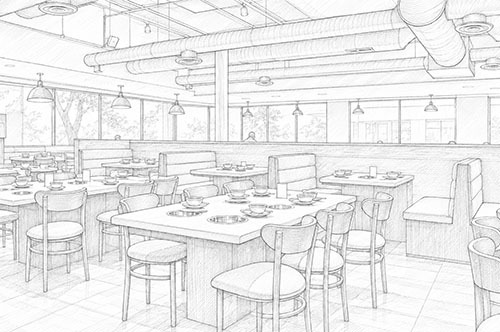
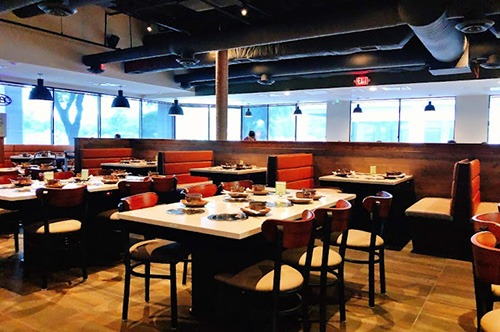
1. What Are Turnkey Hot Pot Restaurant Solutions?
Turnkey hot pot restaurant solutions refer to a coordinated service approach that helps entrepreneurs develop and prepare a hot pot restaurant for opening.
Depending on the provider and project requirements, these solutions may cover several important areas, including:
Restaurant concept planning and development
Interior design and decoration
Restaurant layout and space planning
Dining furniture selection and arrangement
Hot pot tabletop setup
Brand image and visual identity
Menu presentation and dining experience planning
Project coordination and opening preparation
The main purpose is to bring different elements of restaurant development together under a coordinated project plan.
For new restaurant owners, this approach can make it easier to manage multiple design and planning decisions while maintaining consistency throughout the project.
It is important to understand that turnkey service packages vary between providers. Before choosing a partner, clarify which services are included, which are optional, and which responsibilities remain with the restaurant owner.
2. Why Choose a Turnkey Solution When Opening a Hot Pot Restaurant?
Starting a hot pot restaurant involves more than finding a suitable location and preparing a menu. Owners must consider how the restaurant will look, how customers will move through the space, how dining areas will be arranged, and how the overall concept will appeal to the target market.
A turnkey approach can help bring these decisions together.
2.1 Simplify Project Coordination
Managing multiple suppliers, designers, and service providers independently can make restaurant development complicated.
A turnkey solution provider can coordinate several project components, helping owners establish a clearer development process.
Instead of approaching every element as a separate task, restaurant owners can work toward a unified project plan.
2.2 Create a Consistent Restaurant Style
A successful restaurant concept should be reflected throughout the dining environment.
For example, a modern hot pot restaurant may feature minimalist furniture, clean interior lines, and contemporary visual elements. A traditional hot pot restaurant may prefer warmer colors, natural materials, and a more cultural atmosphere.
Coordinating the concept, interior design, furniture, and branding helps create a more consistent customer experience.
2.3 Make Better Use of Restaurant Space
Restaurant space directly influences seating arrangements, customer movement, and the overall dining experience.
Professional space planning can help owners consider different dining group sizes, table arrangements, service areas, and circulation paths before construction or renovation begins.
This is particularly important for hot pot restaurants, where customers may spend considerable time dining together.
2.4 Reduce Planning Complexity for First-Time Owners
First-time restaurant owners may not be familiar with all the decisions involved in opening a hot pot restaurant.
Working with an experienced project partner can provide guidance on design choices, furniture selection, space planning, and project coordination.
Owners can then focus more attention on their business strategy, target customers, menu development, and operational preparation.
3. What Does a Turnkey Hot Pot Restaurant Solution Include?
The specific scope depends on the provider, but a comprehensive hot pot restaurant project may involve several important service areas.
3.1 Restaurant Concept and Business Planning
Before starting the design process, restaurant owners should establish a clear concept.
Important considerations include:
Target customer groups
Restaurant positioning
Expected customer spending level
Dining style and service model
Brand personality
Target market and location
For example, a family-oriented hot pot restaurant may prioritize spacious seating arrangements and comfortable dining areas. A hot pot restaurant targeting young professionals may prefer a modern atmosphere and flexible seating options.
Having a clear concept makes subsequent design and planning decisions easier.
3.2 Interior Design and Decoration
Interior design plays an important role in shaping customers’ first impressions.
A well-planned hot pot restaurant should balance visual appeal, comfort, functionality, and brand identity.
Common design considerations include:
Wall finishes and decorative elements
Lighting design
Flooring and color combinations
Ceiling design
Decorative partitions
Brand signage
Dining area atmosphere
The design should reflect the restaurant’s positioning while creating a comfortable environment for customers.
3.3 Restaurant Layout and Space Planning
An effective restaurant layout should support both customer comfort and daily operations.
When planning the space, consider:
Number and arrangement of dining tables
Seating capacity
Different table sizes for different customer groups
Customer circulation paths
Entrance and reception area
Waiting area
Service and storage spaces
For hot pot restaurants, table spacing deserves particular attention. Customers need sufficient room to enjoy their meals, interact with companions, and access their tabletop dining arrangements comfortably.
A professional layout plan can help identify potential space limitations before the project moves into the implementation stage.
3.4 Dining Furniture and Tabletop Setup
Furniture is another important part of the hot pot dining experience.
The right tables and chairs should complement the restaurant’s interior design while meeting practical requirements.
When selecting furniture, consider:
Table dimensions and shapes
Seating comfort
Material durability
Ease of cleaning
Available floor space
Compatibility with the restaurant’s visual style
Tabletop arrangements should also be considered during the design stage. Their placement should support convenient dining and maintain an organized appearance.
For restaurants serving families, couples, and larger groups, flexible seating arrangements may be worth considering.
3.5 Branding and Visual Identity
A recognizable brand helps customers understand what makes a restaurant distinctive.
Brand development may include:
Restaurant name and logo
Brand colors and typography
Signage design
Menu layout
Interior brand elements
Packaging and promotional materials
Consistency across these elements helps establish a recognizable restaurant identity.
Restaurant owners should develop their visual identity based on their target audience, positioning, and overall dining concept rather than following design trends without a clear strategy.
3.6 Menu Presentation and Dining Experience
The menu is one of the most important customer touchpoints in a hot pot restaurant.
Beyond food selection, the menu’s organization and presentation can influence how easily customers understand their options.
Consider organizing the menu into clear categories, such as:
Soup bases
Meat selections
Seafood
Vegetables
Tofu and other ingredients
Drinks and desserts
Set meals or combination options
The menu design should match the restaurant’s brand identity and make ordering straightforward.
The overall dining experience should also be considered, including how customers are welcomed, seated, guided through the menu, and supported during their meals.
3.7 Project Coordination and Opening Preparation
The final development stage involves coordinating the different elements of the restaurant project.
Depending on the agreed service scope, this may include design implementation coordination, furniture arrangement, interior finishing checks, brand material preparation, and final space inspections.
Before opening, restaurant owners should review:
Whether the interior matches the approved design
Whether furniture is properly arranged
Whether dining spaces are comfortable
Whether signage and branding are consistent
Whether the customer journey is clearly planned
Whether staff are prepared for daily operations
A structured opening checklist can help identify outstanding tasks before the restaurant welcomes its first customers.
4. How to Plan Your Hot Pot Restaurant Layout
A good restaurant layout should balance customer experience, available floor space, and operational requirements.
Before finalizing the design, restaurant owners should consider several important factors.
4.1 Understand Your Target Customer Groups
Different customer groups have different dining preferences.
For example:
Families may need larger tables and comfortable seating.
Couples may prefer smaller tables with a more private atmosphere.
Groups of friends may need flexible seating arrangements.
Individual diners may appreciate compact seating options.
Understanding your target customers helps determine the appropriate table sizes and seating configurations.
4.2 Maximize Space Without Sacrificing Comfort
Adding more tables does not automatically create a better restaurant layout.
Overcrowded dining areas can affect customer comfort and make movement more difficult.
Instead, consider how to balance seating capacity with comfortable spacing, accessible circulation paths, and practical service areas.
4.3 Plan for Different Dining Experiences
Some hot pot restaurants focus on social dining, while others offer individual dining arrangements.
If your concept serves different customer groups, consider incorporating several seating configurations into the same space.
This provides greater flexibility when accommodating different party sizes.
4.4 Consider the Customer Journey
Think about the customer’s experience from the moment they enter the restaurant.
A typical customer journey may include:
Entering the restaurant
Waiting or checking in
Being guided to a table
Reviewing the menu
Placing an order
Enjoying the meal
Completing payment and leaving
Planning these stages together can help create a more organized dining environment.
5. Choosing the Right Hot Pot Restaurant Style and Concept
Your restaurant concept influences almost every subsequent decision, from interior design to furniture selection and brand development.
Here are several popular directions worth considering.
5.1 Traditional Hot Pot Restaurant
<Traditional-style concept>
A traditional hot pot restaurant may emphasize cultural elements, warm colors, decorative details, and a welcoming dining atmosphere.
This style may appeal to customers who enjoy a familiar and social hot pot dining experience.
5.2 Modern Hot Pot Restaurant
A modern hot pot restaurant often features contemporary interior design, clean visual lines, and coordinated furniture.
This concept may suit urban locations and customers who appreciate a stylish dining environment.
5.3 Premium Hot Pot Restaurant
A premium concept may emphasize refined interior materials, comfortable seating, carefully coordinated lighting, and more private dining spaces.
The overall environment should reflect the restaurant’s intended positioning and customer expectations.
5.4 Casual and Family-Friendly Hot Pot Restaurant
A casual concept may prioritize practical furniture, flexible seating, easy-to-understand menus, and a relaxed atmosphere.
This approach can be suitable for restaurants targeting families, friends, and regular group dining.
The most suitable concept depends on your target market, available investment, location, and business positioning.
6. Common Mistakes to Avoid When Opening a Hot Pot Restaurant
Even with a well-developed concept, some planning mistakes can create unnecessary challenges.
Here are several issues worth avoiding.
6.1 Starting Without a Clear Restaurant Concept
Without a clear positioning strategy, design choices can become inconsistent.
Define your target customers, restaurant style, and business objectives before starting the design process.
6.2 Focusing Only on Appearance
An attractive restaurant interior is important, but functionality should not be overlooked.
Furniture comfort, table spacing, customer movement, and practical service areas should all be considered.
6.3 Ignoring the Customer Experience
A restaurant should be designed around how customers actually use the space.
Consider different dining group sizes, waiting arrangements, ordering processes, and the overall comfort of the dining environment.
6.4 Choosing a Provider Based Only on Price
The lowest quotation may not represent the most suitable solution.
Compare service scope, customization, project experience, material specifications, timelines, and responsibilities before making a decision.
6.5 Overlooking Brand Consistency
Inconsistent signage, menus, furniture styles, and interior elements can weaken the overall restaurant identity.
Make sure the brand concept is reflected throughout the dining environment.
Frequently Asked Questions About Turnkey Hot Pot Restaurant Solutions
Q1: What are turnkey hot pot restaurant solutions?
Turnkey hot pot restaurant solutions are coordinated services designed to help entrepreneurs plan and prepare their hot pot restaurant projects. Depending on the provider, they may include concept development, interior design, space planning, furniture selection, branding, and opening preparation.
Q2: How much does it cost to open a hot pot restaurant?
The cost depends on factors such as restaurant size, location, rental conditions, renovation requirements, interior design, furniture, staffing, and business positioning. It is advisable to establish a project budget and request an itemized quotation based on your specific requirements.
Q3: How long does it take to prepare a hot pot restaurant for opening?
The timeline varies according to the project size, location, design complexity, renovation requirements, and coordination arrangements. Discuss the expected schedule with your project provider before starting.
Q4: Can I customize the design of my hot pot restaurant?
Customization options depend on the provider. Many restaurant design projects can be planned around a specific brand concept, target audience, available space, and preferred interior style. Confirm the available customization services before signing an agreement.
Q5: Are turnkey hot pot restaurant solutions suitable for first-time restaurant owners?
They can be a useful option for first-time entrepreneurs who want coordinated support with restaurant planning and development. However, owners should still understand their business model, budget, target customers, staffing needs, and local regulatory requirements.
Q6: What should I prepare before contacting a turnkey hot pot restaurant solution provider?
It is helpful to prepare your estimated budget, preferred restaurant location, floor area, target customer groups, desired restaurant style, and business concept. These details allow the provider to better understand your project and discuss suitable solutions.